Designing Reliable Data Pipelines
What separates a pipeline that survives production from one that quietly breaks under real-world data — orchestration, monitoring, and fault handling patterns that hold up.

Insights
Practical writing on pipelines, transformation, infrastructure, and governance from the Stratum Data team.

What separates a pipeline that survives production from one that quietly breaks under real-world data — orchestration, monitoring, and fault handling patterns that hold up.
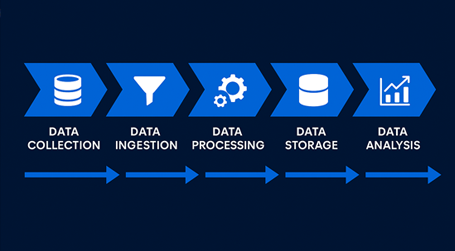
A practical comparison of the three dominant storage architectures, and the questions worth asking before committing to one.

How access controls, classification, and encryption fit together across the data lifecycle — from ingestion to analytics.

Validation, deduplication, and enrichment patterns that turn inconsistent raw data into something teams can actually rely on.
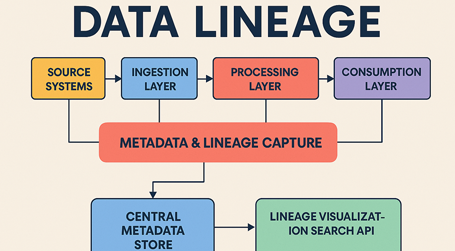
Why knowing where data came from and how it changed matters as much as the data itself — and how lineage tracking actually works.

Approaches to keeping pipelines and storage performant as data volume and organizational demand both grow.

When near-real-time streaming is worth the added complexity, and when batch processing remains the more reliable choice.
We're happy to talk through it, whether or not it turns into a project.